
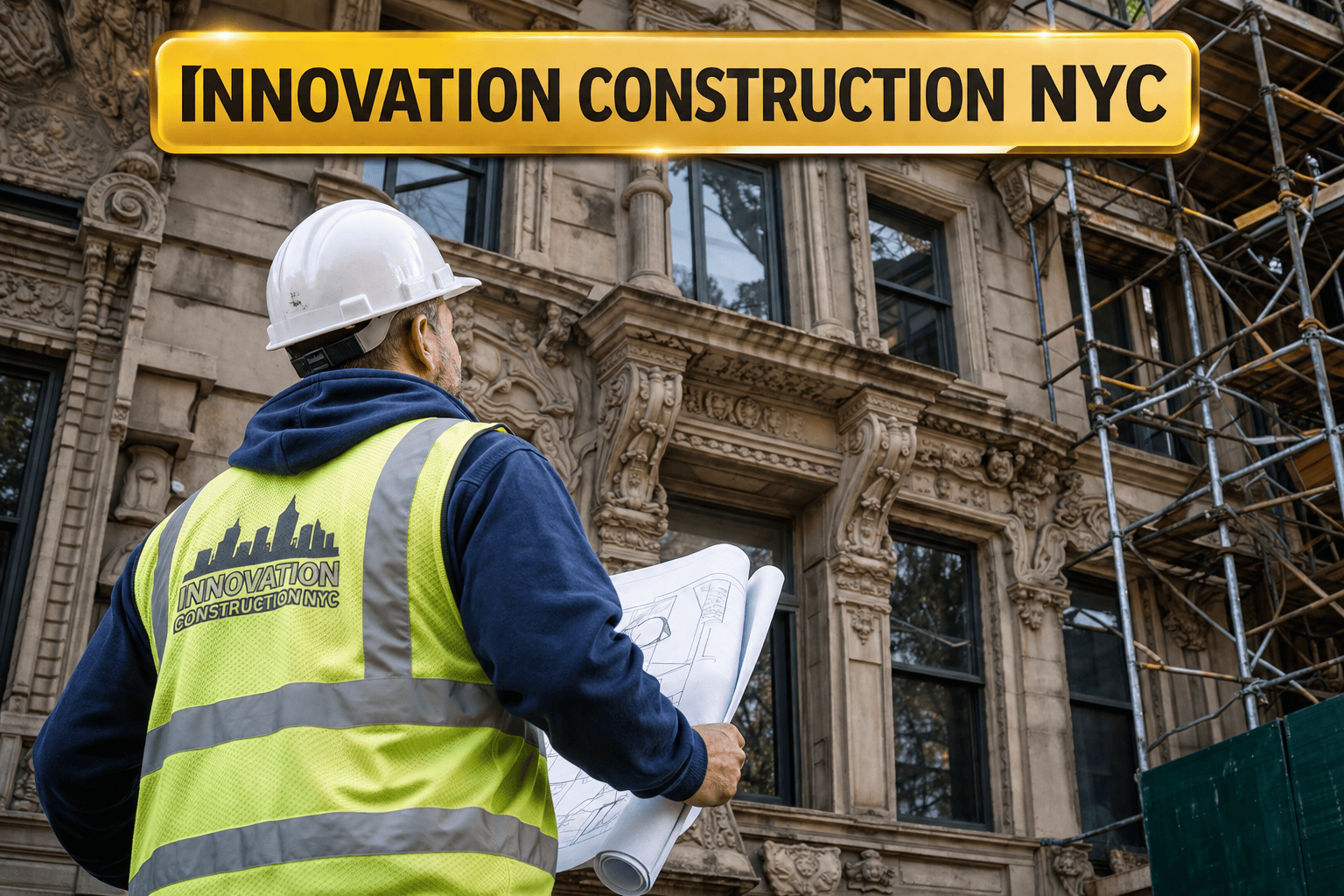
Building another sort of land or restoring your home is likely one of the most sizeable ventures you will ever make. If that is a new commercial development, restoring an existing historic brownstone, or even adding on to your family home; finding the right building contractor for your project is going to be key in how successful it will go.
An expert contractor does all the work involved with labor and material management. They manage each aspect of the build, adhere to every point of local building codes, maintain a tight safety schedule and keep your project on schedule and budget. In reality, a poor builder means delays, extra expenses needing to be absorbed and poorly done work leading ultimately to issues in the long term build.
If you are one of those people who resonate with the recent query best building contractors near me (for whatever reason) likely, then you have observed dozens of firms practically presenting the exact same thing. There are dozens of contractors out there; your real issue is not finding one, it is finding the right ones who can do what you need and deliver results you desire as well as having a trusting relationship with.
In this tutorial, you will only learn what it is that construction contractors do, how to make differential comparisons between competing entities and all the things you need to ask them before signing anything and why working with a local pro who has decades of hands on experience due to consistency is effective.
Significance of Finding the Right Building Contractor
More than bricks, concrete and metal: constructions The success of any project lays in the little details, extreme technical expertise, smooth communications and able execution under sequentially driven dynamics by an experienced project management team.
A professional contractor helps you:
- Keep the project on schedule
- Stay within your budget
- Meet local building regulations
- Maintain workplace safety
- Reduce costly construction mistakes
- Improve long-term property value
In reality you see that most homeowners look at the lowest price and compare it. It is so easy to be convinced saving money is best when in reality the cutting edge quote does not always equate to best value for what you are getting. Undercutting bids generally mean elimination of critical services, junk quality materials or all or everything else.
A reputable contractor gives you realistic estimates, a tough deadline and straight talk from the beginning.
Understanding Different Types of Building Contractors
However, not all contractors practice the same aspect of building. You have to understand which one is the best fit for your project before hiring a company.
Commercial Building Contractors
Commercial contractors handle larger and more complex projects such as:
- Office buildings
- Retail stores
- Warehouses
- Apartment complexes
- Schools
- Healthcare facilities
- Municipal buildings
Typically, these projects require several engineering teams, permits gaining expanded budgets and strict safety codes.
Commercial contractors generally coordinate large crews and supervise subcontractors during the construction process, such as electricians, plumbers, HVAC specialists (heating, ventilation and air conditioning systems), structural engineers, architects and inspectors.
Residential Building Contractors
Residential contractors deals with houses and smaller scale of constructions.
Their services often include:
- Custom home construction
- Home additions
- Brownstone restoration
- Kitchen remodeling
- Bathroom renovations
- Basement finishing
- Roofing
- Masonry work
- Concrete installation
- Exterior restoration
Residential projects often require more specialized skills and are less shallow relationships with homeowners, so many clients turn to established local contractors who know the ins and outs of neighborhood regulations as well as their area’s architectural vernacular.
Local Building Contractors Mostly Do a Better Job – Here is Why
There are a number of misconceptions for property owners to be aware of, one of which is that larger national construction companies automatically mean better service. Actually, local contractors provide a great advantage, particularly for jobs in The Big Apple.
Improved Knowledge of Local Building Codes
The construction requirements vary from city to city.
Take New York City, for instance; the following are high-profile licensing regulations you may come across.
- Structural safety
- Fire protection
- Sidewalk compliance
- Historic preservation
- Environmental standards
- Permit approvals
Local contractors handle these requirements in their jobs day-in and day-out. They know the inspections process and how to prevent common permitting delays.
You learn that there is a level of local know-how that quickens projects while limiting wasteful and expensive errors.
Faster Permit Approvals
Paperwork is one of the leading causes of delays in construction.
Local contractors with experience know how to work through the permitting process and develop professional relationships with engineers, architects and municipal departments.
Experienced contractors do not waste weeks correcting permit applications– they submit proper complete documentation from the start of a project which ultimately helps keep things on track.
Strong Relationships With Local Suppliers
Reliable contractors spend years building trusted relationships with local suppliers.
This benefits clients in several ways:
- Faster material delivery
- Better product availability
- Competitive pricing
- Higher-quality materials
- Fewer construction delays
When unexpected supply shortages occur, established contractors often receive priority from suppliers they’ve worked with for years.
Better Communication
It is simply quicker to relay updates and get clarifications when working with a local contractor as they are based closer.
Instead of having to talk with a new representative every week, you communicate directly with the project manager or business owner 90% of the time.
That bespoke attention limits miscommunication and aids in problem resolution.
How to Find the Best Building Contractors Near You
Searching online would be just OUTINSERT_NAME_UC.
Make a shortlist rather than picking the first company you come across and compare contractors carefully.
Let us summarize the most important ones to consider.
Verify Licensing
All legitimate general contractors will also be fully licensed based on the requirements for your specific state or municipality.
This means they are legally qualified and have a good understanding of what regulations apply to construction.
Make sure you do not hesitate to ask for license info before signing a contract.
Confirm Insurance Coverage
Insurance protects both you and the contractor.
Ask for proof of:
- General liability insurance
- Workers’ compensation insurance
- Commercial vehicle insurance
- Bonding (when applicable)
Without adequate insurance, you could become financially responsible for accidents or property damage during construction.
Review Previous Projects
The portfolio of a contractor says more than any advertisement ever could.
Seach for projects relevant to your own that have been completed.
When preserving an old brownstone, hire someone experienced at restoring masonry—not a contractor who has only worked on suburban houses.
In the same manner, owners involved with commercial properties need to enlist the help of contractors who deal with bigger properties.
Read Customer Reviews Carefully
Online reviews provide valuable insight, but don’t focus only on star ratings.
Instead, look for comments about:
- Communication
- Cleanliness
- Timeliness
- Professionalism
- Budget accuracy
- Quality of workmanship
- Problem-solving
Consistent positive feedback across multiple platforms is usually a strong indicator of reliability.
Ask About Project Management
Construction involves many moving parts.
Ask who will manage:
- Scheduling
- Subcontractors
- Material deliveries
- Inspections
- Daily communication
- Budget tracking
Well-organized contractors use structured project management systems to keep every stage running smoothly.
Questions Every Property Owner Should Ask Before Hiring
Before choosing a contractor, prepare a list of questions.
Some of the most important include:
- How many similar projects have you completed?
- Can you provide recent references?
- Who will supervise the job site each day?
- What permits will be required?
- How will unexpected changes be handled?
- What warranties do you provide?
- What is the expected timeline?
- How frequently will I receive project updates?
- Do you use your own crews or subcontractors?
- What happens if the project falls behind schedule?
Professional contractors welcome these questions because they understand that informed clients make better long-term partners.
Warning Signs You Should Never Ignore
Not every contractor operates with the same level of professionalism.
Be cautious if you notice any of these red flags:
- Extremely low estimates compared to competitors
- Refusal to provide insurance documents
- No written contract
- Pressure to pay large amounts upfront
- Poor communication
- No physical business address
- Limited portfolio
- Negative customer reviews
- Unclear project timeline
- Vague pricing
Choosing a contractor based solely on price can become one of the most expensive mistakes in the entire project.
Is a small or large construction company better for your build?
Above all, one of the most popular questions of property owners is if to hire a small local contractor for your projects or to work with a big constructor firm. Honestly, there is no one answer. The best choice depends on the size and complexity of your project, budget, and level of personal attention you expect.
Large corporations – kind of builders can work with more people, have larger equipment and even handle commercial construction projects. They suit well to high-rise buildings, city complex office building and infrastructure, which require collaboration among various departments.
But smaller local contractors typically offer a more tailored experience. You usually meet directly with the owner or project manager, decisions can be made much faster, and in many cases, there is much more flexibility when things change on site.
Homeowners discover that local contractors – who typically have better craftsmanship and respond more quickly than large companies- are often great choices for a wide variety of residential renovations, including brownstone restoration, masonry work and custom projects in New York City.

A Step-by-Step Look at the Construction Process
Understanding how a professional construction project unfolds helps property owners set realistic expectations and stay informed throughout the build.
1. Initial Consultation
Every successful project begins with a detailed discussion.
During this stage, the contractor will:
- Understand your goals
- Visit the property
- Review existing conditions
- Discuss budget expectations
- Recommend practical solutions
- Explain the overall construction process
This meeting lays the foundation for accurate planning and transparent communication.
2. Design, Planning, and Estimating
Once the project scope is defined, architects, engineers, and contractors work together to prepare:
- Construction drawings
- Material specifications
- Cost estimates
- Project schedules
- Permit documentation
A detailed estimate should clearly outline labor, materials, equipment, permits, and contingency costs. Avoid contractors who provide vague lump-sum quotes without explaining what’s included.
3. Permits and Approvals
Before construction begins, the necessary permits must be secured.
Depending on the project, approvals may involve:
- Building permits
- Structural permits
- Electrical permits
- Plumbing permits
- Sidewalk permits
- Historic preservation approvals
Experienced local contractors understand municipal requirements and can often streamline this process, helping avoid unnecessary delays.
4. Site Preparation
Before building starts, the site must be prepared.
This stage may include:
- Demolition
- Excavation
- Utility marking
- Site grading
- Temporary fencing
- Material staging
Proper preparation reduces safety risks and creates an efficient work environment.
5. Foundation Construction
A building is only as strong as its foundation.
Depending on the project, contractors may install:
- Reinforced concrete footings
- Slab foundations
- Crawl spaces
- Basement foundations
- Structural retaining walls
Precision during this phase is critical because errors can affect the entire structure.
6. Structural Framing
Once the foundation is complete, the building begins to take shape.
Structural framing includes:
- Steel beams
- Wood framing
- Concrete walls
- Floor systems
- Roof structures
Professional contractors carefully inspect every stage to ensure structural integrity and code compliance.
7. Mechanical, Electrical, and Plumbing (MEP)
Before walls are closed, specialized trades install the building’s core systems.
These include:
- Electrical wiring
- Plumbing lines
- HVAC systems
- Fire protection systems
- Communication wiring
Proper coordination between trades prevents costly modifications later.
8. Exterior Construction
The building envelope protects the structure from weather.
This phase includes:
- Roofing
- Windows
- Exterior doors
- Masonry
- Brickwork
- Stucco
- Waterproofing
- Exterior finishes
A well-built exterior improves energy efficiency while extending the building’s lifespan.
9. Interior Finishing
Once the structure is weather-tight, interior work begins.
Typical tasks include:
- Drywall
- Painting
- Flooring
- Cabinet installation
- Trim work
- Lighting fixtures
- Bathroom fixtures
- Kitchen installation
Attention to detail during finishing often determines the overall appearance of the completed project.
10. Final Inspection and Project Handover
Before the project is officially complete, inspectors verify that all work complies with local building codes.
After final approval, the contractor completes a walkthrough with the client to address any remaining punch-list items before handing over the finished property.
Common Mistakes Property Owners Should Avoid
Even well-planned projects can encounter problems if important details are overlooked.
Here are some of the most common mistakes:
Choosing the Lowest Bid
The cheapest estimate often excludes important services or uses lower-quality materials. Focus on overall value rather than price alone.
Skipping Reference Checks
Always speak with previous clients and, if possible, visit completed projects.
Not Reading the Contract
Every contract should clearly explain:
- Payment schedule
- Timeline
- Materials
- Warranty
- Change order process
- Responsibilities
Never rely on verbal agreements.
Paying Too Much Upfront
A reasonable deposit is normal, but avoid contractors requesting most of the payment before work begins.
Ignoring Communication
Construction projects evolve. Regular updates help identify and solve issues before they become expensive problems.

Contractor Hiring Checklist
Before signing a contract, confirm that your contractor has:
✔ Valid license
✔ General liability insurance
✔ Workers’ compensation coverage
✔ Relevant project experience
✔ Positive customer references
✔ Written contract
✔ Detailed project schedule
✔ Transparent payment plan
✔ Warranty information
✔ Clear communication process
Saving this checklist can help you make a confident hiring decision.
Property Owners Go With Innovation Construction NY
Construction in New York City is about more than just the technical aspects of a job. It requires experience working with sites that feature historic buildings, constrained urban job sites, complicated permitting processes, and rigorous safety regulations.
Across the five boroughs, Innovation Construction NY has established a reputation for providing dependable construction solutions. We handle projects that involve great detail, craftsmanship and knowledge of NYC building codes.
Our services include:
- Brownstone restoration
- Masonry repair
- Brick pointing
- Concrete construction
- Sidewalk repair
- Waterproofing
- Roofing
- Stucco repair
- Structural restoration
- Exterior renovation
Every project is managed with careful planning, transparent communication, and a commitment to long-lasting quality.
If you’re restoring a historic property or improving a commercial building, our experienced professionals focus on protecting your investment while delivering results that stand the test of time.
What Should You Do Next? Visit Your Site?
Yes, picking a suitable contractor is more than just finishing a project; it is about protecting your investment for years to come.
Innovation Construction NY blends seasoned professional expertise with construction quality assurance and service reliability to help deliver successful construction projects for homeowner and commercial properties alike.
Emory was built with the neighborhood in mind, so if you have a renovation, restoration, masonry project or are considering new construction give us a shout to discuss your vision and make recommendations based on the needs of your property.
Contact Innovation Construction NY now to find out how well-qualified local contractors in this area can make your next effort a winner.
Frequently Asked Questions
How To Find A Trustworthy Building Contractor?
Check Licensing, Insurance, Completed Projects, Customer Reviews and Written Estimates Good contractors will go out of their way to respond to queries and provide information.
Should I hire a local contractor?
Yes. You know local contractors who understand regional building codes, permitting requirements, climate conditions and supply chains which tend to render a more seamless deployment.
How many estimates should I compare?
It’s advisable to get at least three detailed estimates. This way you can assess pricing, project scope, timelines and professionalism.
What To Include In Construction Contract
The project scope, materials to be used, schedule of the work, schedule of payment (as applicable), warranty provisions for labor and materials, who will acquire any necessary permits and inspections on our behalf as well as change-order terms should be included in a good contract.
Do contractors handle permits?
Most pro contractors take care of permit applications, as part of their services; and that they help make certain the challenge adheres to just-dropped local laws.
What are the reasons behind construction projects overrunning their budget?
Common reasons include unqualified structuring challenges, changes in the design at the various levels, fluctuations in material prices and hidden elements on-site. These risks can be mitigated through proper planning and detailed estimates.
What sets Innovation Construction NY apart?
You are knowledgeable on local variables, skilled craftsmanship, strong communication style, and years of field experience with masonry, brownstone restoration, structural repairs, and exterior building through the great city of New York.
Final Thoughts
Hiring a building contractor is one of the most critical decisions in any construction project that you have to make. They make more transparency, quality work and project management that makes your project remain an investment from Day 1 till you finish with it in the best way possible.
Choose a contractor based on track record rather than pricing, and choose licensed communication of Project Analysed layouts which are similar to what you plan to create. This extra bit of time will save you a ton of money, headache and hassle in the future by enabling you to carefully compare contractors.
If this is the case, Innovation Construction NY is your go-to for reliable building contractors NYC who hear what you want and see your projects through to quality professional-standard completion. Our team is there to guide you through the entire process from planning and permitting to final inspection.