
Modern construction projects demand more than skilled labor and quality materials. They require strategic construction management to ensure every phase of a project is completed on time, within budget, and according to the highest standards. If developing a commercial complex, residential property, roadway, or public infrastructure, effective management is the foundation of project success.
A professional approach to construction management combines technical expertise, leadership, financial oversight, and communication to coordinate every moving part of a construction project. From initial project planning to final inspections, experienced managers minimize delays, improve productivity, and reduce costly risks.
This comprehensive guide explains how construction management works, why it matters, and how choosing the right partner can make every construction investment more successful.
What Is Construction Management?
Construction management is the professional process of planning, coordinating, supervising, and controlling every aspect of a construction project from concept to completion. It integrates people, materials, equipment, schedules, and budgets to achieve project objectives efficiently.
Unlike traditional contracting, construction management provides strategic oversight throughout every stage of development. A dedicated construction manager works closely with architects, engineers, subcontractors, suppliers, and property owners to maintain quality, control costs, and meet deadlines.
Successful management covers:
- Project planning
- Construction planning
- Cost estimation
- Construction budgeting
- Budget management
- Project scheduling
- Site supervision
- Site management
- Quality control
- Quality assurance
- Risk management
- Resource allocation
- Construction workflow
- Construction operations
Each component contributes to delivering projects safely and efficiently.
Why Construction Management Is Essential
Every construction project involves thousands of decisions. Without organized management, small mistakes can quickly become expensive delays.
Professional construction management helps organizations:
- Improve communication between stakeholders
- Reduce construction delays
- Maintain accurate budgets
- Increase workplace safety
- Improve productivity
- Reduce material waste
- Strengthen quality standards
- Enhance client satisfaction
- Deliver projects on schedule
If managing a small renovation or a multi-million-dollar development, organized leadership keeps every project moving forward.
The Role of a Construction Manager
A skilled construction manager serves as the central coordinator for the entire project. Rather than focusing on one trade, they oversee every department involved in construction.
Their primary responsibilities include:
Project Planning and Coordination
The first responsibility is detailed project planning, identifying project goals, defining milestones, organizing teams, and establishing timelines before work begins.
Proper construction planning reduces confusion and creates a clear roadmap for everyone involved.
Project Scheduling
Accurate project scheduling ensures every task happens in the correct sequence.
Scheduling includes:
- Labor coordination
- Equipment availability
- Material delivery
- Inspection dates
- Subcontractor timelines
Keeping schedules updated minimizes downtime and improves productivity.
Budget Management
One of the most valuable responsibilities is budget management.
A professional construction manager continuously tracks expenses while monitoring labor, materials, equipment rentals, subcontractor payments, and unexpected project costs.
Effective construction budgeting helps owners avoid financial surprises.
Site Supervision
Daily site supervision ensures construction crews follow approved drawings, building codes, and safety regulations.
Good site management also helps identify issues before they become costly problems.
Construction Project Management: Bringing Every Phase Together
Successful construction project management combines technical knowledge with organizational leadership.
Rather than simply monitoring construction, it manages every stage including:
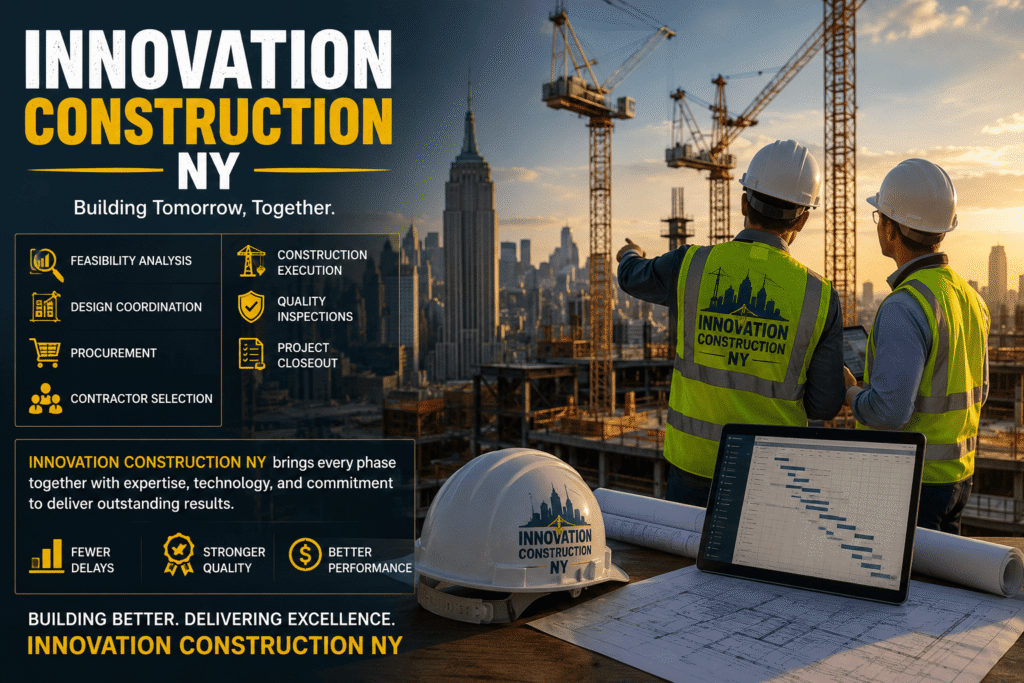
- Feasibility analysis
- Design coordination
- Procurement
- Contractor selection
- Construction execution
- Quality inspections
- Project closeout
Modern construction project management relies heavily on technology, reporting systems, and continuous communication.
Organizations that invest in professional construction project management typically experience fewer delays, stronger quality outcomes, and improved financial performance.
Throughout the project lifecycle, construction project management ensures that resources remain aligned with project objectives while adapting to changing conditions.
Construction Management Services That Add Value
Professional construction management services provide expertise before, during, and after construction begins.
These services often include:
Pre-Construction Services
Planning before construction starts is one of the best ways to reduce project risks.
Typical services include:
- Site evaluations
- Design reviews
- Cost estimation
- Schedule development
- Contractor bidding assistance
- Resource allocation
Construction Phase Services
During active construction, construction management services focus on:
- Daily inspections
- Site supervision
- Budget management
- Schedule monitoring
- Construction operations
- Contractor coordination
- Risk management
Post-Construction Services
After completion, management teams assist with:
- Final inspections
- Quality assurance
- Punch list completion
- Documentation
- Warranty management
Comprehensive construction management services provide owners with confidence throughout every stage of development.
Businesses increasingly rely on experienced construction management services to improve efficiency, reduce risks, and maximize investment returns.
Choosing the Right Construction Management Company
Selecting a trusted construction management company is one of the most important decisions for any project.
A qualified partner brings:
- Industry experience
- Financial transparency
- Technical expertise
- Strong leadership
- Effective communication
- Safety commitment
The best construction management company understands both construction and business objectives.
When evaluating a construction management company, consider:
Experience
Look for completed projects similar to yours.
Technology
Modern project management software improves communication and reporting.
Safety Record
A strong safety culture protects workers while reducing project delays.
Financial Control
Experienced managers provide accurate reporting, forecasting, and budget tracking.
Working with the right construction management company significantly increases the likelihood of successful project delivery.
Why Construction Management Firms Matter
Professional construction management firms provide specialized expertise that many property owners lack internally.
Instead of hiring multiple consultants, clients benefit from one experienced team overseeing every phase.
Top construction management firms offer:
- Strategic planning
- Technical coordination
- Financial oversight
- Contractor management
- Regulatory compliance
Experienced construction management firms also maintain relationships with architects, engineers, suppliers, and subcontractors, improving project coordination.
As projects become larger and more complex, many developers rely on trusted construction management firms to improve efficiency while minimizing risks.
Commercial Construction Management
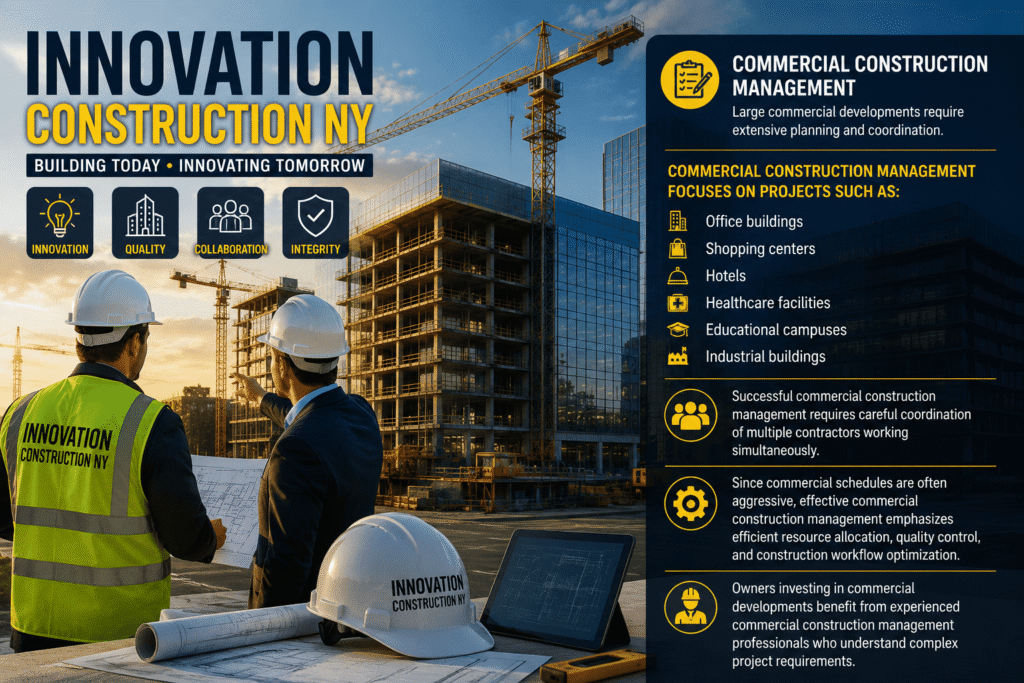
Large commercial developments require extensive planning and coordination.
Commercial construction management focuses on projects such as:
- Office buildings
- Shopping centers
- Hotels
- Healthcare facilities
- Educational campuses
- Industrial buildings
Successful commercial construction management requires careful coordination of multiple contractors working simultaneously.
Since commercial schedules are often aggressive, effective commercial construction management emphasizes efficient resource allocation, quality control, and construction workflow optimization.
Owners investing in commercial developments benefit from experienced commercial construction management professionals who understand complex project requirements.
Residential Construction Management
Home construction has become increasingly sophisticated.
Professional residential construction management supports:
- Custom homes
- Luxury residences
- Apartment buildings
- Condominium developments
- Residential communities
Effective residential construction management ensures homeowners receive high-quality workmanship while maintaining budgets and timelines.
From permits to inspections, residential construction management simplifies the building process and improves communication between homeowners and contractors.
Modern residential construction management also helps prevent costly design conflicts before construction begins.
Civil Construction Management
Public works and engineering projects require specialized oversight.
Civil construction management includes:
- Highways
- Bridges
- Utility systems
- Water treatment facilities
- Drainage systems
- Public transportation
Successful civil construction management demands careful coordination between engineers, government agencies, contractors, and environmental consultants.
Because these projects often involve complex regulations, experienced civil construction management professionals help ensure compliance while maintaining project schedules.
Organizations investing in major engineering projects depend on civil construction management to deliver long-term public infrastructure safely and efficiently.
Infrastructure Construction Management
Growing communities require dependable infrastructure.
Infrastructure construction management supports projects such as:
- Airports
- Rail systems
- Ports
- Energy facilities
- Telecommunications
- Water distribution
- Public utilities
Effective infrastructure construction management combines engineering expertise with long-term planning.
Large infrastructure projects involve significant financial investments, making infrastructure construction management essential for controlling costs, managing risks, and maintaining quality standards.
As cities continue expanding, infrastructure construction management will remain a critical component of sustainable development.
Construction Management Solutions for Modern Projects
Technology has transformed the industry.
Today’s construction management solutions integrate digital tools that improve efficiency and communication.
Popular construction management solutions include:
Building Information Modeling (BIM)
Improves collaboration between architects, engineers, and contractors (BIM).
Cloud-Based Project Management
Provides real-time project updates from any location.
Mobile Site Reporting
Improves communication through instant reporting from the field.
Digital Budget Tracking
Supports accurate budget management and cost estimation.
Automated Scheduling
Helps optimize project scheduling and resource allocation.
Modern construction management solutions improve productivity while reducing administrative work.
Companies adopting advanced construction management solutions often experience better project visibility, stronger collaboration, and improved decision-making.
Investing in innovative construction management solutions prepares organizations for increasingly complex construction environments.
Best Practices for Effective Construction Management
The most successful projects consistently follow proven management strategies.
These include:
Establish Clear Project Goals
Every stakeholder should understand expectations before construction begins.
Maintain Open Communication
Regular meetings improve transparency and reduce misunderstandings.
Monitor Budgets Continuously
Effective construction budgeting helps prevent financial overruns.
Prioritize Risk Management
Identifying risks early minimizes project disruptions.
Focus on Quality
Strong quality control and quality assurance protect long-term project value.
Optimize Construction Workflow
Efficient workflows improve productivity while reducing delays.
Improve Resource Allocation
Proper planning ensures labor, equipment, and materials remain available when needed.
Common Challenges in Construction Management
Even experienced teams face obstacles during construction.
Common challenges include:
- Material shortages
- Labor availability
- Weather delays
- Permit issues
- Design revisions
- Budget changes
- Safety incidents
Professional management minimizes these issues through proactive planning, continuous monitoring, and rapid problem-solving.
The Future of Construction Management
The construction industry continues evolving through digital innovation.
Future trends include:
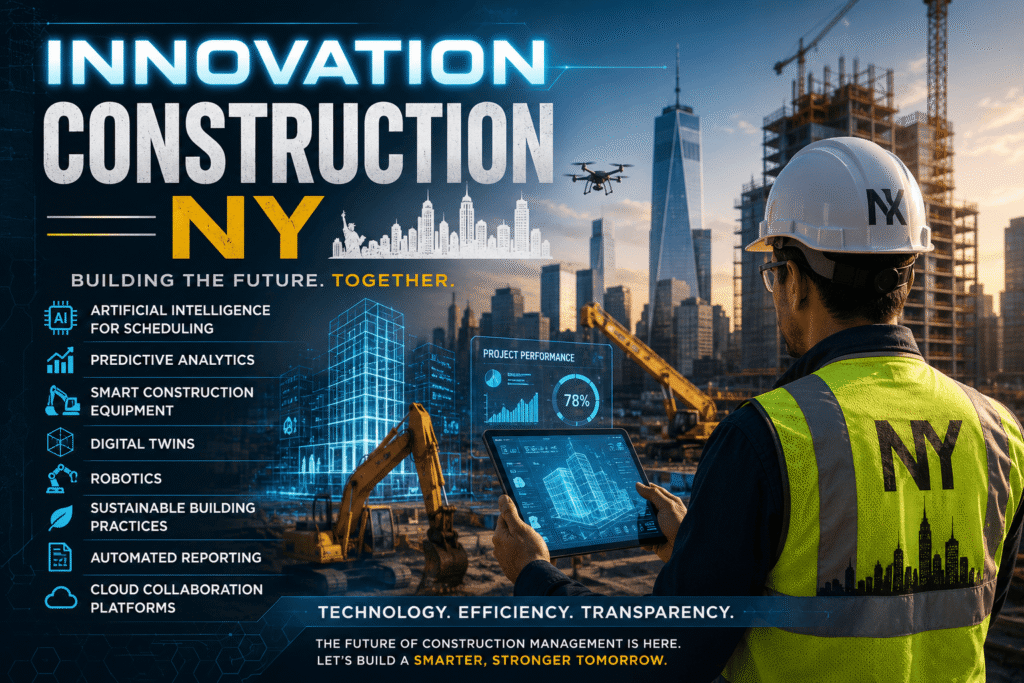
- Artificial intelligence for scheduling
- Predictive analytics
- Smart construction equipment
- Digital twins
- Robotics
- Sustainable building practices
- Automated reporting
- Cloud collaboration platforms
These innovations will strengthen construction operations while improving project efficiency and transparency.
Organizations embracing technology today will be better prepared for tomorrow’s increasingly complex projects.
Conclusion
Effective construction management is the driving force behind successful building projects of every size. From detailed project planning and accurate cost estimation to proactive risk management, rigorous quality control, and efficient construction workflow, professional management ensures projects stay on schedule, within budget, and aligned with client expectations.
If you need expert construction project management, comprehensive construction management services, a trusted construction management company, or specialized expertise in commercial construction management, residential construction management, civil construction management, or infrastructure construction management, partnering with experienced professionals creates lasting value.
By leveraging modern construction management solutions, maintaining effective site supervision, improving resource allocation, and focusing on continuous quality improvement, construction projects can achieve higher performance, greater efficiency, and long-term success. Investing in expert construction management is not simply about overseeing construction—it’s about delivering projects with confidence, precision, and excellence.