
Can You Waterproof a Basement Exterior Yourself?
Many homeowners consider tackling exterior basement waterproofing themselves to save money. While a few maintenance tasks are suitable for DIY, a complete exterior waterproofing system requires professional knowledge, specialised equipment, and careful planning. The success of any project depends on choosing the correct waterproofing method and addressing the real source of water intrusion instead of only treating the visible symptoms.
Simple maintenance jobs can help reduce moisture around your home. Cleaning gutters regularly, extending downspouts away from the foundation, improving the grading around your property, and sealing small surface cracks are all practical tasks that homeowners can usually complete without professional assistance. These improvements reduce the amount of water collecting near the foundation and help protect your basement from minor moisture problems.
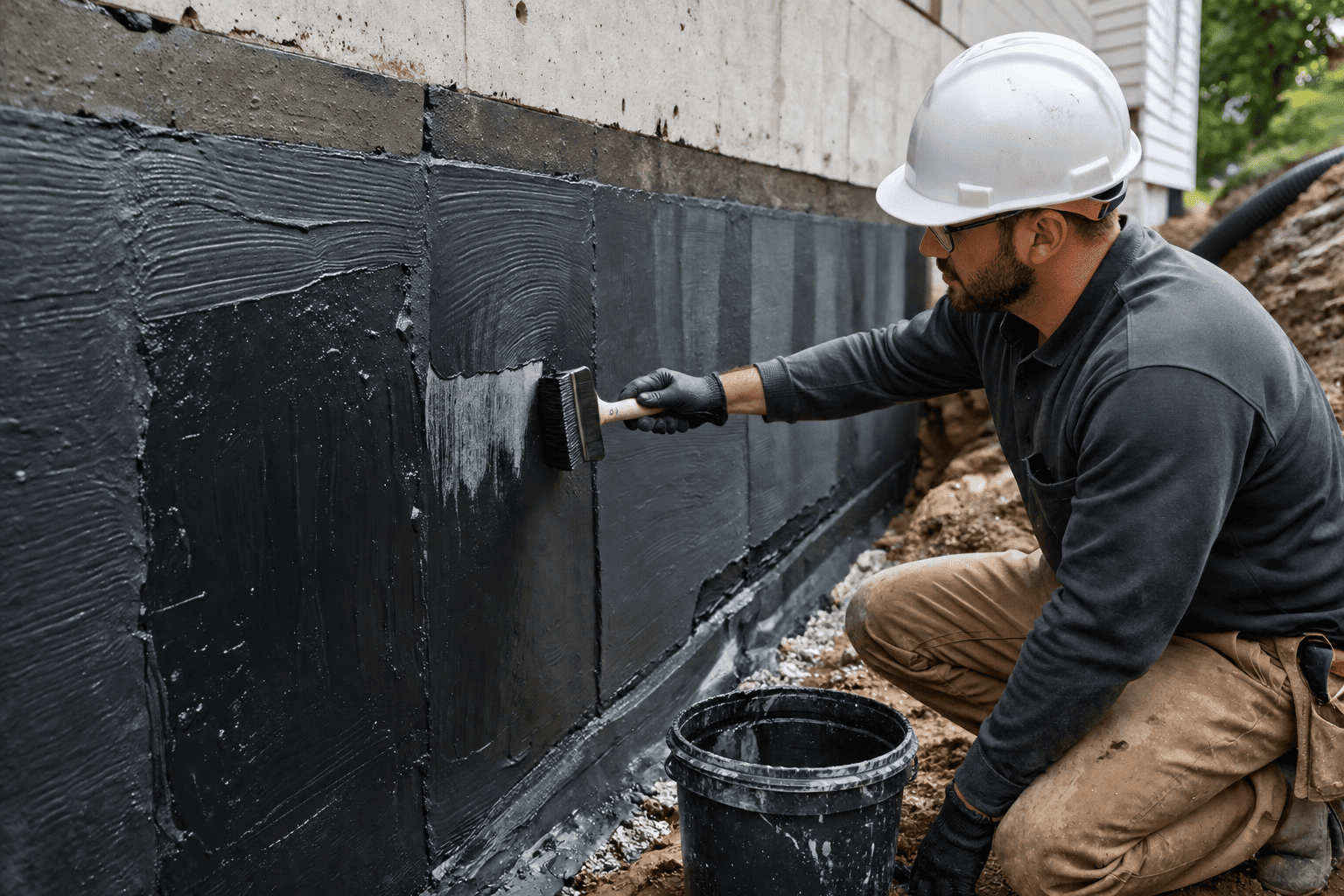
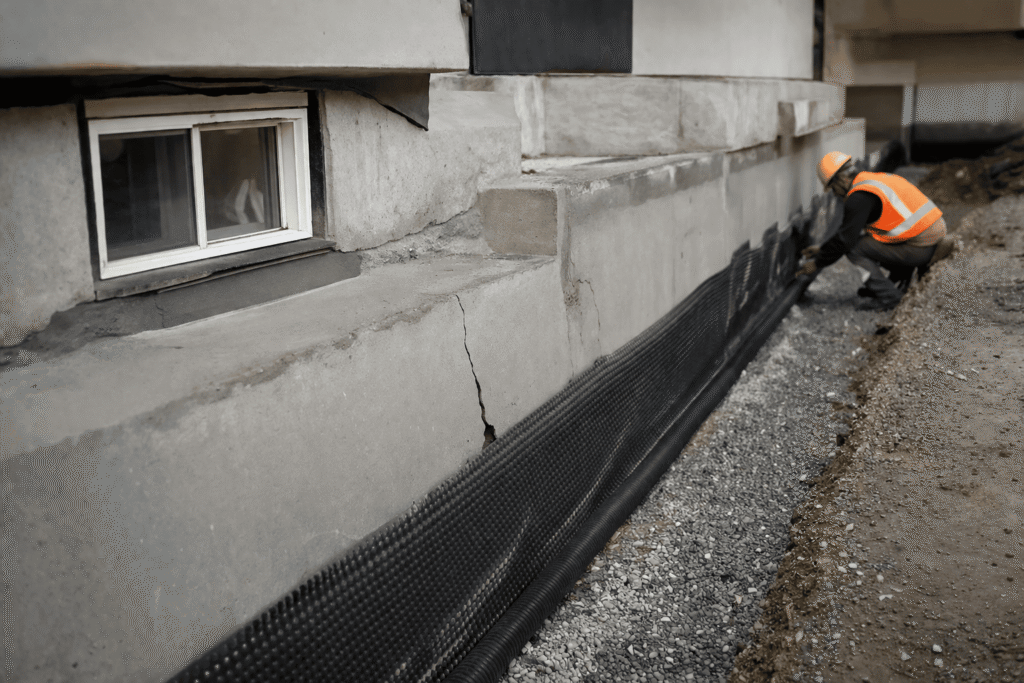
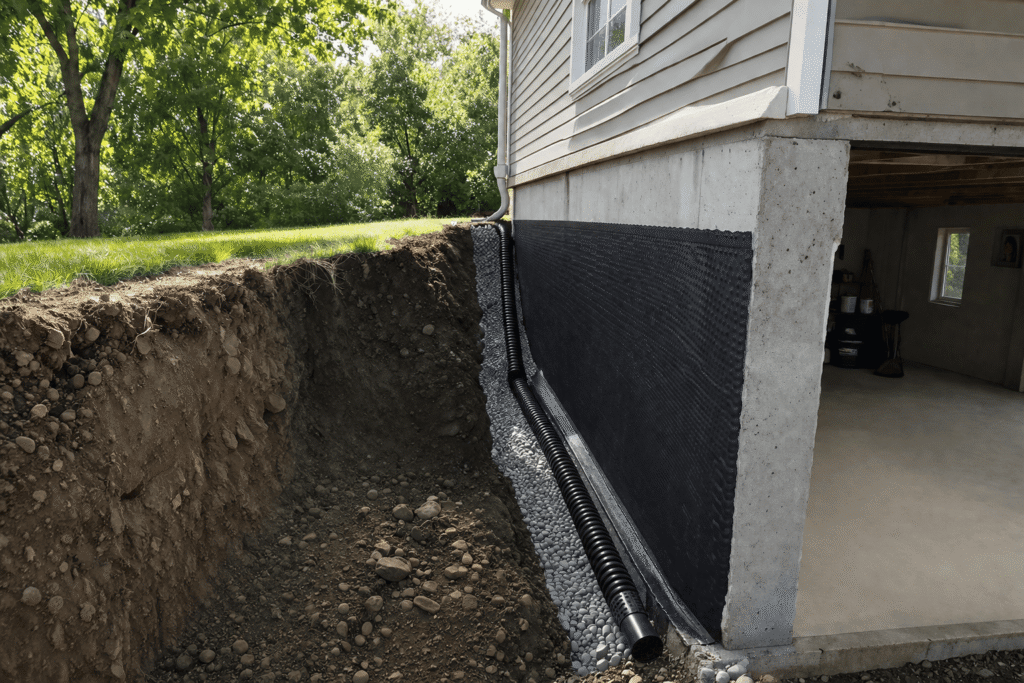
However, exterior waterproofing is much more than applying a waterproof coating. Contractors often excavate soil down to the footing, repair damaged foundation walls, install waterproof membranes, place drainage boards, and connect French drains that safely direct groundwater away from the house. Every stage requires precision because even a small mistake can allow water to return after heavy rainfall.
Attempting a large waterproofing project without experience may create expensive repairs later. Incorrect drainage slopes, damaged utility lines, or poorly installed membranes can trap water instead of moving it away from the foundation. For this reason, professional installation is usually the safest and most cost-effective solution for long-term protection.
DIY Tasks That Homeowners Can Handle
Although major waterproofing work should be left to professionals, homeowners can still perform several preventive maintenance tasks that improve overall moisture control.
These include:
- Cleaning gutters and downspouts at least twice a year.
- Extending downspouts several feet away from the foundation.
- Regrading soil so rainwater flows away from the home.
- Filling small surface cracks with approved repair materials.
- Keeping window wells clean and free of leaves or debris.
- Inspecting foundation walls after heavy storms.
These simple maintenance practices help reduce hydrostatic pressure around the foundation and extend the lifespan of an exterior waterproofing system.
When Professional Waterproofing Is the Better Choice
Professional waterproofing becomes necessary when moisture problems continue despite routine maintenance.
Common situations include:
- Water entering the basement after heavy rainfall.
- Standing water around the foundation.
- Large foundation cracks.
- Bowing or shifting foundation walls.
- Persistent mould growth.
- High groundwater levels.
- Failed waterproof coatings installed years earlier.
Experienced contractors can inspect the property, identify the source of water intrusion, and recommend the most suitable waterproofing method based on soil conditions, drainage patterns, and foundation construction.
Instead of relying on temporary fixes, professionals create a complete system that keeps water away from the structure before it reaches the basement walls.
Choosing the Right Waterproofing Contractor
Hiring the right contractor is just as important as selecting the right waterproofing system. A low estimate may seem attractive, but poor workmanship or low-quality materials can lead to recurring leaks and expensive repairs.
Before signing a contract, verify that the company:
- Is fully licensed and insured.
- Has experience with exterior foundation waterproofing.
- Provides written warranties.
- Uses professional-grade waterproof membranes.
- Offers references from previous projects.
- Explains the complete installation process.
It is also wise to request detailed written estimates from at least three contractors. Comparing materials, drainage systems, labour costs, warranties, and project timelines helps homeowners make informed decisions rather than selecting the cheapest option.
Professional contractors should also explain how landscaping, walkways, patios, or driveways affected by excavation will be restored after the project is complete.
Signs You Need Exterior Basement Waterproofing
Water problems rarely disappear on their own. Small leaks often become larger structural issues if ignored. Recognising the warning signs early allows homeowners to prevent serious foundation damage and costly repairs.
Persistent Basement Moisture
If your basement remains damp throughout the year, moisture is likely entering through the exterior foundation walls. Even when standing water is not visible, excessive humidity can damage drywall, flooring, furniture, and stored belongings.
A consistently damp basement also creates ideal conditions for mould and mildew growth, reducing indoor air quality.
Water Leaks After Heavy Rain
One of the clearest signs that your home needs exterior basement waterproofing is water entering after storms.
This usually indicates that:
- Surface water is collecting around the foundation.
- Drainage is inadequate.
- Hydrostatic pressure is forcing water through cracks.
- Existing waterproof materials have failed.
Exterior waterproofing addresses these problems before water reaches the interior.
White Mineral Deposits on Basement Walls
White powdery stains, known as efflorescence, appear when moisture passes through concrete and leaves mineral deposits behind.
Although efflorescence itself is not dangerous, it confirms that water is moving through the foundation. Ignoring this early warning sign may eventually lead to larger cracks and structural deterioration.
Foundation Cracks and Structural Damage
Foundation cracks are one of the strongest indicators that your waterproofing system needs attention. While small hairline cracks are common in concrete, larger or expanding cracks may allow groundwater to enter the basement. Over time, continuous water pressure can weaken the foundation, resulting in structural movement and costly repairs.
If you notice horizontal cracks, stair-step cracks in masonry, or walls that appear to bow inward, schedule a professional inspection immediately. These issues often indicate excessive hydrostatic pressure or poor drainage around the foundation.
Exterior waterproofing helps relieve this pressure by directing water away from the foundation before it has a chance to penetrate the walls.
Mold, Mildew, and Poor Indoor Air Quality
Moisture inside the basement creates the perfect environment for mold and mildew. Besides damaging drywall, wood framing, and stored belongings, mold spores can reduce indoor air quality and produce unpleasant odours throughout the home.
Professional exterior basement waterproofing prevents groundwater from entering the structure, keeping the basement dry and reducing the conditions that allow mold to develop.
Common signs of moisture-related mold problems include:
- A persistent musty smell
- Black or green spots on walls
- Peeling paint
- Bubbling drywall
- High indoor humidity
- Condensation on basement windows
Addressing the source of moisture is far more effective than repeatedly cleaning mold from interior surfaces.
Best Practices for Exterior Basement Waterproofing
A successful waterproofing project is more than installing a membrane. Long-term protection depends on combining several proven techniques that work together.
1. Identify the Source of Water
Before choosing any waterproofing method, determine exactly where the water is coming from.
Possible sources include:
- Heavy rainfall
- Poor yard grading
- Blocked gutters
- Leaking downspouts
- High groundwater
- Plumbing leaks
- Foundation cracks
Treating the wrong problem can waste both time and money.
2. Improve Surface Drainage
Surface drainage is your home’s first line of defence.
Simple improvements include:
- Cleaning gutters regularly.
- Installing larger downspouts if necessary.
- Extending downspouts at least 6–10 feet away from the house.
- Filling low areas where rainwater collects.
- Maintaining a positive slope away from the foundation.
Proper drainage significantly reduces hydrostatic pressure against basement walls.
3. Repair Foundation Damage First
Never apply waterproof coatings over damaged concrete.
Before installing an exterior waterproofing system, professionals should:
- Repair structural cracks.
- Replace damaged mortar joints.
- Fix deteriorated concrete.
- Seal pipe penetrations.
- Reinforce weakened foundation sections when necessary.
A waterproof membrane performs best when installed on a clean, stable foundation surface.
4. Choose High-Quality Waterproofing Materials
The durability of any waterproofing system depends heavily on the quality of the materials used.
Professional contractors often install:
- Elastomeric waterproof membranes
- Rubberised asphalt coatings
- Sheet membranes
- Drainage boards
- Foundation insulation panels
- Geotextile fabric
- High-performance French drain systems
These materials work together to create a complete moisture protection system rather than relying on a single coating.
5. Install an Effective Drainage System
Even the best waterproof membrane cannot perform properly if groundwater has nowhere to go.
An effective drainage system usually includes:
- Perforated drain pipes
- Washed gravel
- Filter fabric
- Drainage boards
- Proper pipe slope
- Safe discharge location
Together, these components move water safely away from the foundation instead of allowing it to build pressure against basement walls.
Ongoing Maintenance After Installation
Although professional systems require relatively little maintenance, regular inspections help maximise their lifespan.
Every year homeowners should:
- Inspect gutters and downspouts.
- Remove leaves and debris.
- Check grading around the foundation.
- Inspect window wells.
- Ensure drain outlets remain open.
- Watch for new foundation cracks.
- Monitor basement humidity levels.
Preventive maintenance is far less expensive than repairing major water damage.
Long-Term Benefits of Exterior Basement Waterproofing
Investing in professional exterior waterproofing for basement projects offers benefits that extend well beyond preventing leaks.
Stronger Foundation Protection
Keeping groundwater away from foundation walls reduces hydrostatic pressure, helping preserve the structural integrity of the building.
Lower Repair Costs
Stopping water before it enters the basement helps avoid expensive repairs involving:
- Foundation movement
- Mold remediation
- Drywall replacement
- Flooring damage
- Wood rot
- Interior finishing
Better Indoor Air Quality
A dry basement naturally reduces humidity and discourages mold growth, creating a healthier living environment for the entire household.
Higher Property Value
Homes with professionally installed waterproofing systems often appeal more to buyers because they reduce the risk of future water damage and demonstrate proactive maintenance.
Greater Energy Efficiency
Dry basements are easier to heat and cool. Lower humidity also reduces the workload on dehumidifiers and HVAC systems, contributing to improved energy efficiency.
Final Recommendations
If your basement experiences recurring leaks, damp walls, or moisture after heavy rain, delaying repairs can lead to increasingly expensive structural problems. Rather than relying on temporary interior solutions, consider addressing the issue at its source with a professionally designed exterior waterproofing system.
For the best results:
- Schedule a professional foundation inspection.
- Compare estimates from multiple waterproofing contractors.
- Select durable waterproof membranes and drainage materials.
- Combine exterior waterproofing with proper grading and gutter maintenance.
- Inspect your drainage system annually to maintain long-term performance.
Choosing the right waterproofing method today can help protect your home’s foundation, improve indoor comfort, and reduce future maintenance costs.
Conclusion
the exterior waterproofing system is one of the most effective long-term solutions for protecting a home’s foundation from water intrusion. By combining waterproof membranes, drainage systems, proper grading, and routine maintenance, homeowners can minimise the risk of leaks, mould growth, and structural damage.
Although the initial investment is higher than many interior solutions, exterior waterproofing addresses the root cause of moisture problems rather than simply managing the symptoms. If you’re building a new home or upgrading an older property, investing in a complete foundation waterproofing system provides lasting protection, improved property value, and greater peace of mind.
If you notice persistent basement moisture or foundation leaks, consult an experienced waterproofing contractor before minor issues become costly structural repairs. A professional inspection can help you choose the right waterproofing solution for your home and protect your investment for years to come.