
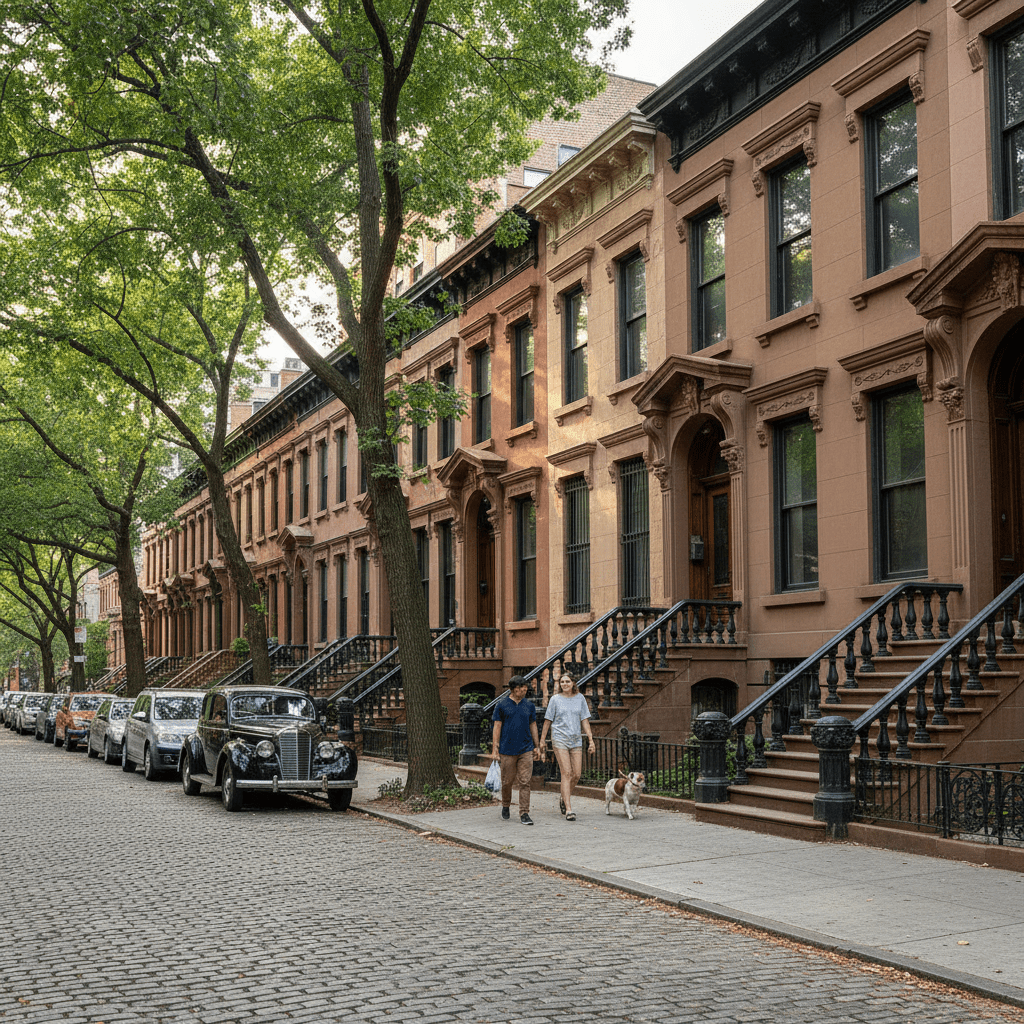
If you have ever walked through Park Slope, Brooklyn, or Manhattan and admired rows of elegant historic homes, you have probably asked yourself, what is a brownstone?
The term is used often in real estate conversations, renovation projects, and neighborhood guides. Yet many property owners and investors still wonder what truly defines a brownstone and why it holds such lasting value in New York City.
In this guide, we will clearly explain what is a brownstone in New York, how it differs from other townhouses, and why restoring and maintaining one requires specialized experience. If you own or plan to invest in a brownstone property, this article will give you practical insight.
What Is a Brownstone in New York?
To answer the question simply, brownstone house in New York
in New York refers to a row house built primarily in the 19th century and commonly found in neighborhoods like the Upper West Side, faced with a distinctive brown sandstone material.
The stone, commonly called brownstone, is a type of sandstone that became popular in the mid to late 1800s. It was widely used throughout neighborhoods in Brooklyn and Manhattan. Over time, these properties became known as New York brownstone homes.
When people ask, NYC brownstone house in New York, especially in neighborhoods like Brooklyn Heights, they are typically referring to:
- A multi-story row house
- Constructed between the 1800s and early 1900s
- Featuring a raised stoop entrance
- Built with a brownstone facade
- Located in historic neighborhoods
You will find many of these properties in areas like Brooklyn and Manhattan, where brownstone buildings New York are a defining part of the streetscape.
So when someone says historic brownstone home New York, especially those regulated by the Landmarks Preservation Commission, they are usually describing a classic urban townhouse with historic architectural character and a sandstone exterior.
What Is a Brownstone in NYC?
Many clients ask a similar question: classic row house in NYC and how is it different from other homes?
In New York City, brownstones are a specific style of townhouse. They are not standalone homes. Instead, they are attached row houses that share side walls with neighboring properties.
When you search for what is a brownstone in NYC, you are looking at a property type that typically includes:
- 3 to 5 stories
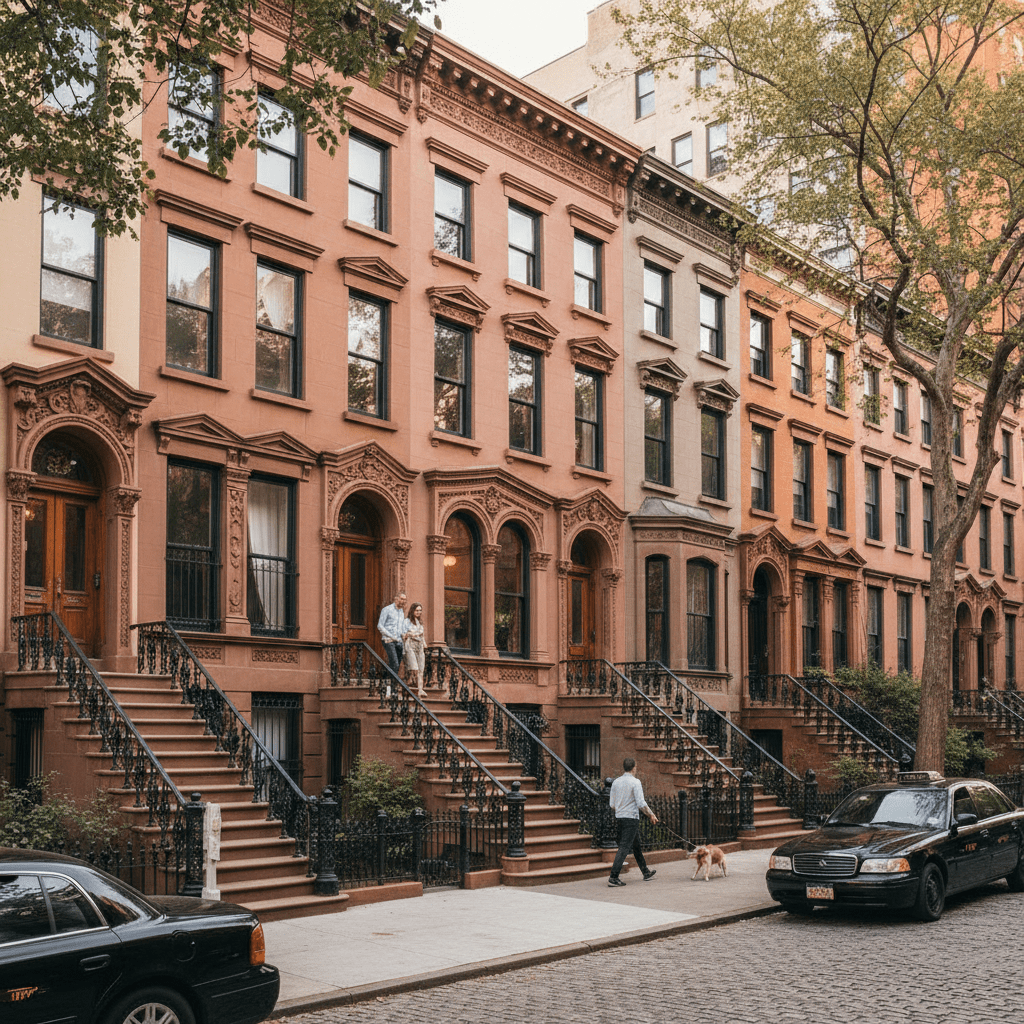
- A raised brownstone stoop entrance
- Ornamental details such as a brownstone cornice detail
- Tall parlor floor ceilings
- A garden or cellar level
These homes are often referred to as NYC brownstones, sometimes featuring Gothic Revival elements, and are considered a core part of the city’s architectural identity.
A new york city brownstone is not just a residence. It is a historic structure that requires careful maintenance and preservation, especially when located in landmark districts.
What Is a Brownstone House in New York and Why Was It Built?
If you are asking again, what is a brownstone house in New York, especially in neighborhoods like Crown Heights, it helps to understand the history behind it.
During the 19th century, New York experienced rapid growth. Developers needed durable, attractive housing for middle and upper-class families. Brownstone was an affordable and workable material, which led to the construction of thousands of brownstone houses in Manhattan and Brooklyn.
These homes often featured:
- Italianate brownstone facade designs
- Decorative window lintels
- Ornate entryways
- Classic row house proportions
- A symmetrical brownstone rowhouse design
Many were designed as Victorian brownstone home or Federal-style townhouse variations, depending on the era.
So when clients ask, what is a new york brownstone, particularly in areas like Bedford Stuyvesant, the answer includes both material and architectural heritage.
Brownstone vs Townhouse: What Is the Difference?
One of the most common questions property owners have, especially in neighborhoods like Greenwich Village, is about brownstone vs townhouse.
Here is the simple explanation:
- A townhouse is a general housing type.
- A brownstone is a townhouse built with a brown sandstone facade.
In other words, every brownstone is a townhouse, but not every townhouse is a brownstone.
When comparing brownstone vs townhouse, the difference lies in:
Material
A brick brownstone may have a brick structural body but a brownstone exterior facing, often requiring updates to its Certificate of Occupancy. A standard townhouse may be brick, stucco, or modern composite without sandstone.
Architectural Period
Most brownstone buildings New York were built in the 1800s, and many are now considered a landmarked property. Modern townhouses may not carry historic detailing.
Exterior Detailing
Brownstones often include:
- Carved lintels
- Detailed cornices
- Elevated stoops
- Decorative stonework
In real estate listings, you may see terms like townhouse brownstone used interchangeably. However, preservation professionals understand that a true brownstone refers to a specific historic construction style.
Brownstone Architecture and Exterior Features
A defining feature of any brownstone house New York is its facade, which often influences the Renovation Cost.
The brown sandstone material, sometimes described simply as brown stones, gives the building its warm, earthy appearance. Over time, however, brownstone is vulnerable to moisture damage and surface deterioration.
Classic characteristics of brownstone architecture include:
- High parlor-level windows
- Heavy stone lintels
- A prominent stoop
- A projecting cornice
- Decorative moldings
In areas filled with brownstone homes NYC, you will also notice consistency in scale and proportion, creating cohesive blocks of historic charm.
Many properties qualify as a landmark brownstone property within designated historic districts, which can affect the Cap Rate. This means exterior alterations often require approval.
Brooklyn Brownstone and Manhattan Brownstone Living
When people imagine a Brooklyn brownstone, they often picture tree-lined streets and carefully restored facades. Brooklyn remains one of the most well-known boroughs for historic brownstones.
A Manhattan brownstone offers similar architectural detail but may come with higher property values due to location.
Whether you own a Brooklyn brownstone or a Manhattan property, these homes are typically:
- Multi-family or single-family residences
- Converted into luxury rentals or private homes
- Renovated for modern living
The appeal of luxury brownstone living lies in high ceilings, historic craftsmanship, and classic proportions.
Brownstone Facade and Exterior Restoration
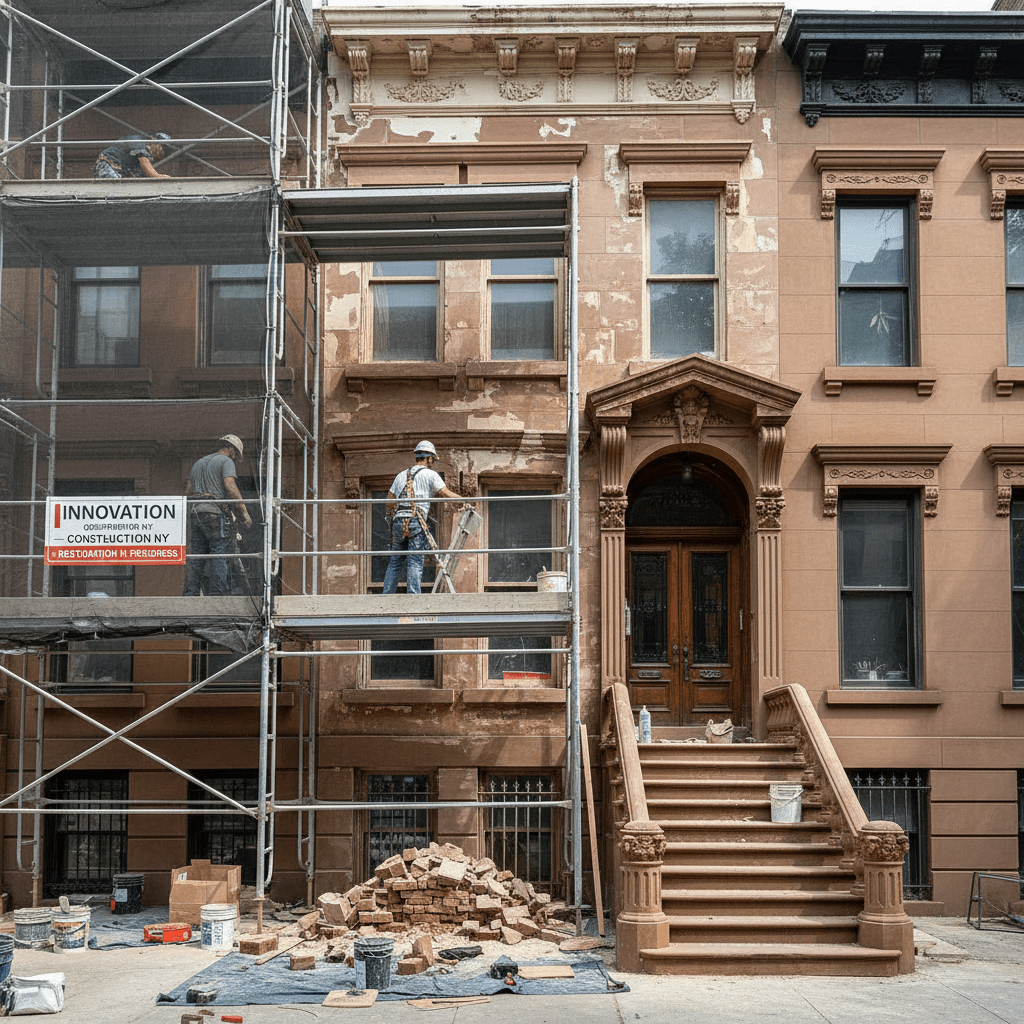
Over time, exposure to weather can damage a brownstone facade. Moisture penetration, freeze-thaw cycles, and pollution contribute to surface scaling and cracks.
A proper brownstone exterior restoration process may include:
- Patching damaged stone
- Repointing mortar joints
- Rebuilding deteriorated stoops
- Repairing cornices
- Addressing structural settlement
If you own a pre-war brownstone property, routine inspection is essential to prevent long-term structural issues.
At Innovation Construction NY, we often see cases where deferred maintenance on a historic brownstone home leads to more expensive repairs later.
Brownstone Renovation Considerations
A successful brownstone renovation requires specialized expertise. These homes are not standard properties. Their materials, age, and structural systems demand experienced contractors.
Common renovation projects include:
Stoop Reconstruction
The brownstone stoop is a defining feature but often the first area to deteriorate.
Facade Refacing
Damaged sandstone, especially on Neo-Grec style facades, can be resurfaced using restoration-grade materials that match original textures.
Structural Reinforcement
Older 19th-century townhouse properties may require beam reinforcement or foundation stabilization.
Landmark Compliance
If the property qualifies as a landmark townhouse exterior, you must follow preservation guidelines for any exterior changes.
Maximizing Rental Income with a Brownstone
Investing in a brownstone can provide steady rental income, especially in high-demand neighborhoods like Brooklyn and Manhattan. Properly maintained brownstone homes NYC often attract long-term tenants, making them a reliable source of consistent revenue for property owners.
Brownstone Rowhouse Design and Interior Layout
While the exterior defines the home visually, the interior layout is equally important.
A traditional brownstone townhouse layout includes:
- Garden level or basement
- Parlor floor
- Upper bedroom levels
Many vintage urban townhouse interiors, especially in Greek Revival brownstone and other historic buildings, feature original staircases, fireplaces, and moldings.
When modernizing a historic sandstone building, it is important to preserve key details while updating mechanical systems.
Why Brownstones Remain Highly Desirable
Despite being over a century old, Gothic Revival brownstones continue to command strong demand in NYC.
Reasons include:
- Limited supply
- Architectural uniqueness
- Historic district appeal
- Strong resale value
Owning a historic brownstones house New York, often sourced from the Portland Brownstone Quarry, is not only about square footage. It is about heritage and craftsmanship.
Whether you are researching what is a brownstone in nycwhat is a brownstone house in new york for the first time or planning restoration work, understanding the structure’s history helps you make informed decisions.
Final Thoughts: What Is a Brownstone and Why It Matters
So, what is the clear answer to what is a brownstone?
It is a historic townhouse built with brown sandstone, primarily found in New York City. When you ask:
- What is a brownstone in New York
- What is a brownstone in NYC
- What is a brownstone house in New York
- What is a new york brownstone
You are asking about a Federal brownstone, a piece of architectural history that defines entire neighborhoods.
From brownstone buildings New York to restored brownstone houses in Manhattan, these properties represent a lasting legacy of 19th-century urban design.
For property owners, proper maintenance of a brownstone facade, stoop, and structural elements is essential to preserving both value and safety.
If you own a New York brownstone or are considering investing in one, understanding its materials, architecture, and restoration needs will help you protect your investment for decades to come.