
A damp basement can lead to serious problems, from damaged belongings to costly foundation repairs. If left untreated, excess moisture may also create the perfect environment for mold growth, unpleasant odours, and poor indoor air quality.
For many New York homeowners, waterproofing inside basement areas is one of the most practical ways to manage water intrusion without major excavation. While exterior waterproofing blocks water before it reaches the foundation, interior solutions help collect, control, and redirect water safely away from your home.
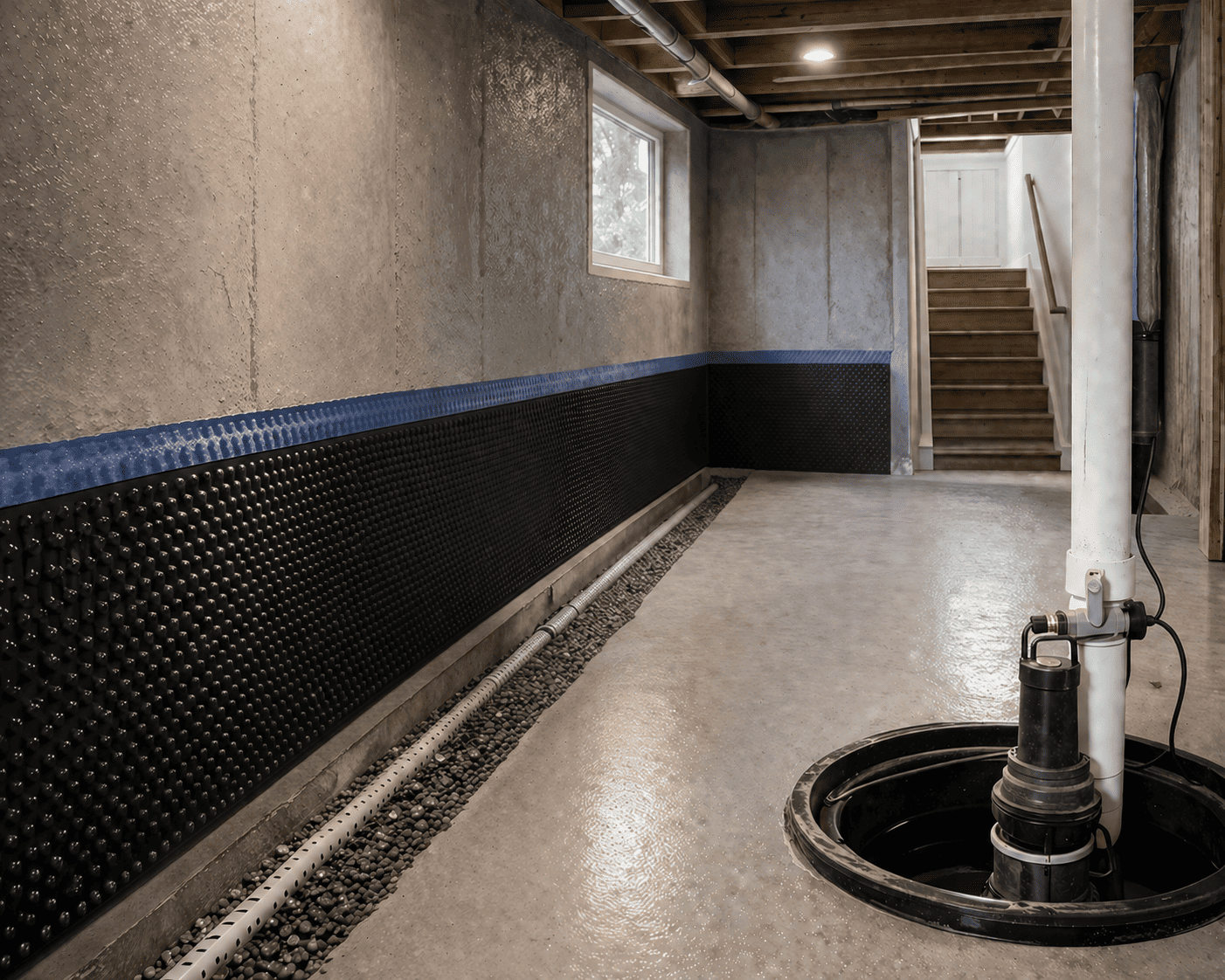
Modern interior basement waterproofing systems combine crack repair, drainage channels, waterproof membranes, and sump pumps to create a reliable moisture management system. When installed correctly, these systems help keep basements dry, protect structural components, and extend the life of your property.
In this guide, you’ll learn:
- Common causes of basement leaks
- Warning signs you should never ignore
- Interior vs. exterior waterproofing
- The most effective basement waterproofing methods
- Waterproofing costs
- Moisture control and maintenance tips
- How to choose the right waterproofing solution for your home
If you’re dealing with occasional dampness or recurring basement flooding, understanding your options is the first step toward protecting your investment.
Why Do Basements Leak?
Basement water problems rarely happen overnight. In most cases, moisture enters slowly through weak points in the foundation before becoming a noticeable issue.
Several factors can contribute to basement leaks, including:
- Hydrostatic pressure from saturated soil
- Cracks in foundation walls or floors
- Poor grading around the property
- Blocked gutters and downspouts
- Damaged footing drains
- Window well flooding
- Aging waterproofing materials
As groundwater builds up around the foundation, pressure forces moisture through tiny cracks and porous concrete. Even a small leak can eventually cause significant damage if it isn’t addressed.
Common Warning Signs
Early detection can prevent expensive structural repairs. Watch for these common signs of moisture problems.
Foundation Cracks
Horizontal, vertical, or stair-step cracks may indicate movement within the foundation. Some cracks are cosmetic, while others suggest hydrostatic pressure pushing against basement walls.
Damp or Wet Floors
Standing water, damp concrete, or wet carpeting after heavy rain usually indicates drainage problems that require professional inspection.
White Powder on Walls
A chalky white residue, known as efflorescence, forms when moisture carries mineral salts through concrete or masonry. Although harmless itself, it signals ongoing water intrusion.
Peeling Paint
Moisture trapped behind painted walls often causes bubbling, peeling, or flaking finishes.
Musty Smells
Persistent musty odours usually indicate excess humidity and possible hidden mold growth behind walls, flooring, or insulation.
Rust and Wood Damage
Rust on metal appliances, support columns, or utility equipment, along with rotting wooden framing, are clear signs of long-term moisture exposure.
Ignoring these warning signs can allow small leaks to become much larger structural problems over time.
Why Basement Waterproofing Matters
A waterproof basement offers much more than a dry storage space.
Professional basement waterproofing helps:
- Protect your home’s structural foundation
- Prevent costly water damage
- Reduce the risk of mold growth
- Improve indoor air quality
- Increase usable living space
- Protect furniture and stored belongings
- Increase property value
- Reduce long-term maintenance costs
Even if your basement only experiences occasional dampness, taking action early can save thousands in future repair expenses.
Interior vs. Exterior Basement Waterproofing
Homeowners often wonder if interior or exterior waterproofing is the better investment. The answer depends on the condition of your foundation, the source of water intrusion, and your budget.
Exterior waterproofing is designed to stop water before it reaches the foundation walls. It typically requires excavation around the home to install waterproof membranes, drainage boards, and foundation drains.
Interior basement waterproofing focuses on controlling water after it enters the foundation. Rather than preventing groundwater from reaching the walls, it safely collects and redirects water through drainage channels and sump pump systems.
For many existing homes throughout New York City, interior waterproofing provides an effective and less disruptive solution, especially where excavation is difficult or impossible.
| Feature | Exterior Waterproofing | Interior Basement Waterproofing |
|---|---|---|
| Primary Purpose | Stops water outside the foundation | Manages water entering the basement |
| Installation | Excavation required | Installed from inside the basement |
| Cost | Higher | More affordable |
| Disruption | Significant | Minimal |
| Best For | New construction and major renovations | Existing homes with water intrusion |
| Maintenance | Low | Occasional sump pump maintenance |
In many situations, combining exterior drainage improvements with interior basement waterproofing systems provides the most reliable long-term protection.
Effective Interior Basement Waterproofing Methods
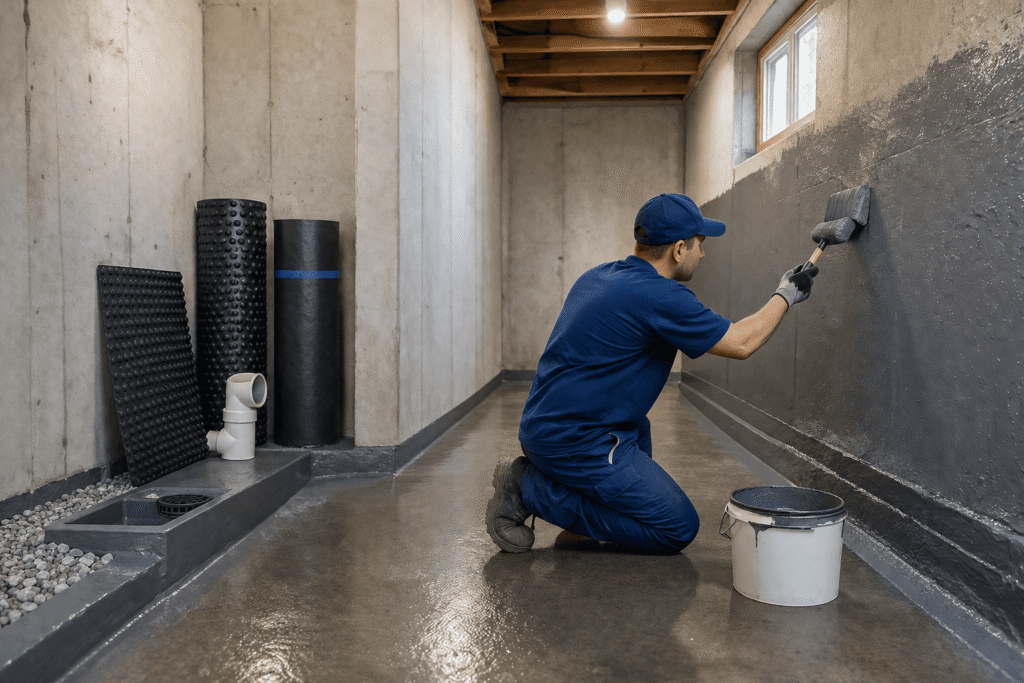
Choosing the right waterproofing method depends on the source of the moisture, the condition of your foundation, and the severity of the problem. Most professionals combine several interior basement waterproofing systems to create long-lasting protection instead of relying on a single solution.
Below are the most effective methods used to keep basements dry.
Seal Foundation Cracks
Foundation cracks are one of the most common entry points for water.
Small cracks may seem harmless at first, but they can expand over time as the foundation settles or hydrostatic pressure increases. Water entering through these openings often leads to damp walls, damaged finishes, and mold growth.
Professional contractors typically repair cracks using:
- Epoxy injections
- Polyurethane injections
- Cement-based repair compounds
- Hydraulic cement for active leaks
These materials seal the crack from within and help prevent additional water intrusion.
Although crack repair is an important first step, it should normally be combined with drainage improvements for lasting protection.
Install an Interior French Drain
An interior French drain is one of the most reliable basement waterproofing solutions available.
Instead of allowing groundwater to collect beneath the basement floor, the system captures water and redirects it to a sump pump before flooding occurs.
The installation process usually includes:
- Cutting a narrow trench around the basement perimeter.
- Installing perforated drainage pipe.
- Surrounding the pipe with clean gravel.
- Covering the system with fresh concrete.
- Directing collected water into a sump basin.
Once completed, the drainage system remains hidden beneath the floor while continuously protecting the basement from water intrusion.
Many homeowners choose this solution because it is less disruptive than exterior excavation while delivering dependable long-term performance.
Install a Reliable Sump Pump System
A sump pump works together with the interior drainage system.
As groundwater enters the drainage channel, it flows into a sump basin where the pump automatically removes the water from the home.
A complete sump pump system generally includes:
- Submersible sump pump
- Sump basin
- Check valve
- Discharge pipe
- Battery backup
- Water alarm
Battery backup systems provide additional protection during severe storms or power failures when flooding is most likely to occur.
Testing the pump every few months helps ensure it operates properly when needed.
Waterproof Foundation Walls
Many homeowners assume waterproof paint alone will solve basement leaks.
In reality, coatings only provide limited moisture resistance.
Professional interior basement waterproofing systems often include waterproof wall membranes that direct moisture safely into the drainage system instead of allowing it to reach finished surfaces.
Common materials include:
- Dimple drainage membranes
- Polymer waterproof membranes
- Vapour barriers
- Waterproof wall panels
These products create an air gap between the foundation wall and finished basement, reducing moisture problems while improving overall performance.
Improve Basement Moisture Control
Waterproofing is not only about stopping liquid water.
High humidity can also damage building materials and encourage mold growth, even when no standing water is present.
Proper basement moisture control includes:
- Installing a dehumidifier
- Maintaining indoor humidity below 50%
- Repairing plumbing leaks quickly
- Insulating cold water pipes
- Improving basement ventilation
- Keeping stored items off the floor
These simple improvements help create a healthier living environment while extending the life of your waterproofing system.
Basement Sealing Methods
Several sealing products are available for homeowners dealing with light moisture problems.
Popular options include:
- Waterproof masonry paint
- Cementitious coatings
- Crystalline waterproof coatings
- Silicone-based sealers
- Concrete crack fillers
While these products can reduce dampness and improve appearance, they are not designed to stop significant groundwater pressure.
If your basement experiences recurring leaks, combining sealing products with drainage and crack repair will provide much better long-term protection.
Step-by-Step Basement Waterproofing Process
Professional waterproofing contractors follow a structured approach to ensure every source of moisture is addressed.
Step 1: Complete Basement Inspection
The process begins with a thorough inspection of the basement and foundation.
Contractors identify:
- Foundation cracks
- Water entry points
- Drainage problems
- Humidity issues
- Signs of mold growth
- Structural concerns
A proper inspection ensures the right waterproofing solution is selected.
Step 2: Improve Exterior Drainage
Even when installing interior waterproofing, exterior drainage should not be ignored.
Professionals may recommend:
- Cleaning gutters
- Extending downspouts
- Improving landscape grading
- Installing window well covers
- Repairing damaged drainage pipes
Reducing water around the foundation decreases hydrostatic pressure and improves the performance of interior systems.
Step 3: Repair Foundation Cracks
After identifying leak locations, damaged concrete is repaired using epoxy or polyurethane injection.
This prevents water from entering through visible cracks and strengthens the affected areas.
Step 4: Install Interior Drainage
A drainage channel is installed around the basement perimeter to collect groundwater before it reaches finished flooring.
This is one of the most important parts of interior basement waterproofing systems because it continuously manages water entering beneath the foundation.
Step 5: Install the Sump Pump
Collected water flows into the sump basin where an automatic pump removes it from the property.
Battery backup systems are strongly recommended to reduce flooding risks during power outages.
Step 6: Install Waterproof Wall Membranes
Waterproof wall membranes are secured to foundation walls to guide moisture directly into the drainage channel.This prevents damp walls while protecting finished basement materials.
Step 7: Restore the Basement
Once the waterproofing system is complete, contractors restore concrete flooring and reinstall finished wall materials where necessary.
Moisture-resistant insulation and drywall are often recommended for finished basements.
Step 8: Ongoing Maintenance
Long-term performance depends on regular maintenance.
Homeowners should:
- Test the sump pump every few months.
- Replace backup batteries when needed.
- Clean gutters regularly.
- Inspect basement walls for new cracks.
- Monitor humidity levels throughout the year.
Routine inspections help extend the life of your basement waterproofing system while reducing future repair costs.
Cost of Waterproofing Basement From Inside
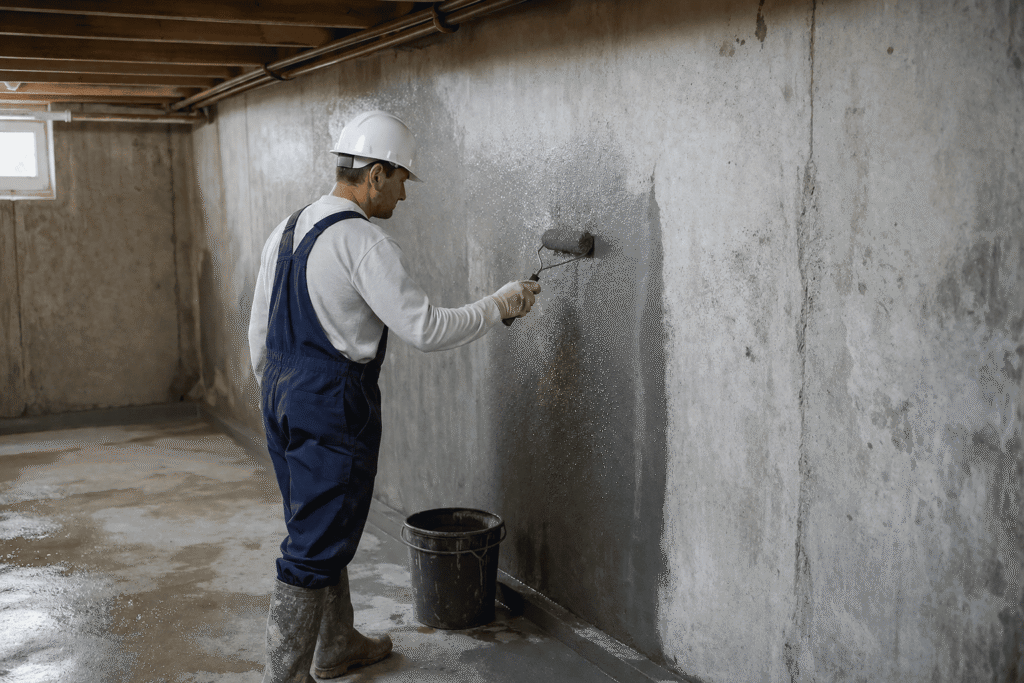
The cost of waterproofing basement from inside depends on the size of the basement, the source of water intrusion, and the waterproofing method selected. Minor repairs are generally affordable, while complete interior basement waterproofing systems that include drainage channels, waterproof membranes, and sump pumps require a larger investment.
Although every home is different, interior waterproofing is usually more cost-effective than exterior excavation because it requires less labour and causes minimal disruption to your property.
Hiring an experienced contractor also helps ensure the system is installed correctly, reducing the risk of future repairs.
Typical Waterproofing Costs
| Waterproofing Method | Typical Cost |
|---|---|
| Crack Repair & Sealant | $500 – $1,500 |
| Interior Waterproof Coating | $2 – $7 per sq. ft. |
| Interior French Drain | $70 – $100 per linear foot |
| Sump Pump Installation | $1,500 – $4,000 |
| Complete Interior Basement Waterproofing System | $3,000 – $10,000+ |
Actual pricing depends on the condition of your basement and local labour costs.
Factors That Affect Waterproofing Costs
Several factors influence the total project cost.
Basement Size
Larger basements require more materials and labour, increasing the overall price.
Foundation Condition
Basements with structural cracks or foundation movement often need additional repairs before waterproofing can begin.
Waterproofing Method
Simple crack sealing costs much less than installing drainage channels, waterproof membranes, and sump pump systems.
Water Damage Severity
Long-term moisture problems may require structural repairs, insulation replacement, or mold growth remediation before waterproofing work starts.
Accessibility
Homes with finished basements or limited working space may require additional labour during installation.
Additional Repairs
Projects may also include:
- Foundation crack repair
- Drain replacement
- Concrete restoration
- Window well improvements
- Mould remediation
- Humidity control upgrades
Requesting a professional inspection is the best way to receive an accurate estimate based on your home’s specific condition.
Basement Maintenance Tips
Installing a waterproofing system is only the first step. Routine maintenance helps keep your basement dry and extends the life of the entire system.
Follow these maintenance tips throughout the year.
Keep Gutters Clean
Leaves and debris can cause overflowing gutters, allowing water to collect around the foundation.
Extend Downspouts
Downspouts should discharge water several feet away from your home’s foundation.
Maintain Proper Grading
The soil around your property should slope away from the house to prevent standing water.
Test Your Sump Pump
Pour water into the sump pit every few months to ensure the pump activates correctly.
Monitor Indoor Humidity
Keep basement humidity below 50% using a quality dehumidifier.
Inspect Foundation Walls
Check for new cracks, damp spots, peeling paint, or signs of mold growth during seasonal inspections.
Repair Small Problems Early
Minor leaks are much easier and less expensive to repair before they become major structural issues.
Routine maintenance protects your investment and helps your waterproofing system perform efficiently for many years.
Frequently Asked Questions
What is the best interior basement waterproofing method?
For most homes, a combination of crack repair, an interior French drain, a sump pump, and waterproof wall membranes provides the most reliable long-term protection.
How long do interior basement waterproofing systems last?
Professionally installed interior basement waterproofing systems can last 20 to 30 years or longer with proper maintenance and regular inspections.
Can interior waterproofing stop basement leaks?
Yes. Interior waterproofing manages groundwater by collecting and redirecting it through drainage systems before it can damage your basement.
Is waterproof paint enough?
No. Waterproof coatings may reduce minor dampness, but they cannot withstand significant hydrostatic pressure or repair structural cracks.
Can basement waterproofing prevent mold growth?
Yes. Controlling moisture is one of the most effective ways to reduce the risk of mold growth, improve indoor air quality, and protect building materials.
Do I need a sump pump?
Homes with recurring groundwater problems, heavy rainfall, or a high water table generally benefit from installing a sump pump with battery backup.
How often should a waterproofing system be inspected?
A professional inspection is recommended every one to two years, with homeowners performing visual checks after heavy rain or snowmelt.
Why Choose Innovation Construction NY?
At Innovation Construction NY, we provide dependable basement waterproofing solutions tailored to New York homes. Our experienced team carefully inspects every property before recommending the most effective solution for your needs.
Our services include:
- Interior basement waterproofing
- Foundation crack repair
- Interior French drain installation
- Sump pump installation
- Waterproof wall membrane systems
- Basement moisture control
- Foundation waterproofing
- Mould prevention solutions
We use proven materials and professional installation methods to help homeowners protect their foundations and create healthier living spaces.
Learn more about our recent projects and company updates by following us on Facebook, LinkedIn, and YouTube.
Final Thoughts
A wet basement should never be ignored. Even small leaks can lead to structural damage, ruined belongings, poor indoor air quality, and costly repairs if left untreated.
Modern interior basement waterproofing systems provide an effective solution by managing water before it causes serious damage. If your basement needs crack repair, drainage improvements, waterproof membranes, or a complete sump pump system, investing in professional waterproofing helps protect your home for years to come.
If you’re experiencing damp walls, standing water, or recurring moisture issues, Innovation Construction NY is here to help. Our experienced team delivers reliable basement waterproofing solutions that keep your home dry, safe, and protected in every season.